What is Fast Fashion?
What is Fast Fashion?
By: Nicki Ference
Do you like online clothing shopping? I do! Or at least I did until I learned what I was contributing to:
What is Fast Fashion?
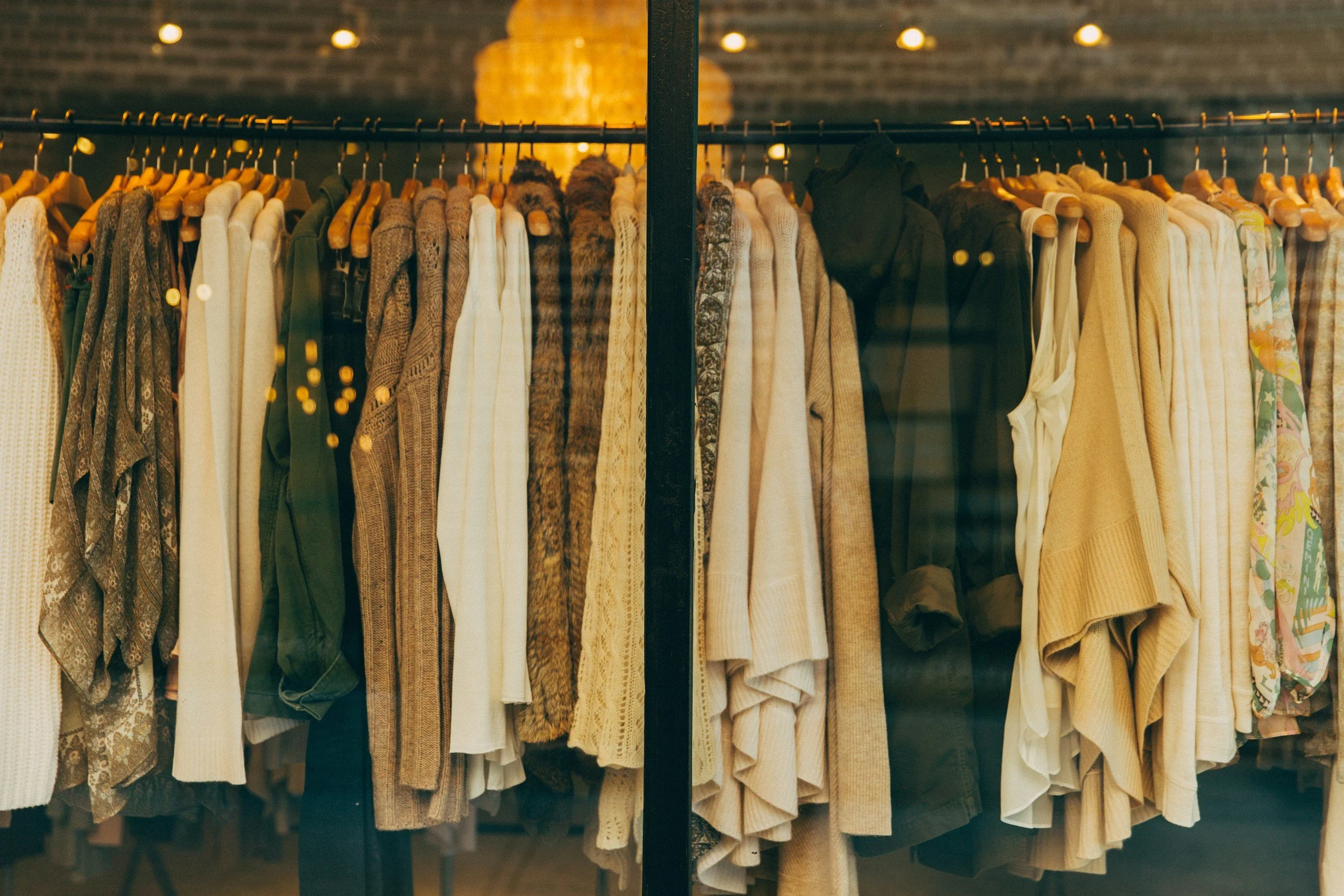
Fast fashion is the “fast” production of inexpensive, trendy clothing designed to keep up with constantly changing styles—styles especially targeted to teens on social media. Trends on platforms like your “For You Page” can change daily, encouraging viewers to frequently buy new items.
While you may still like some pieces from past trends, most people quickly move on. Fast fashion companies profit from this cycle by producing large quantities of low-cost clothing to keep up with the constant demand.
Why is Fast Fashion Harmful?
· Microplastics: Low quality synthetic fabrics release microplastics every time they are washed, which end up in oceans and even in the food we consume.
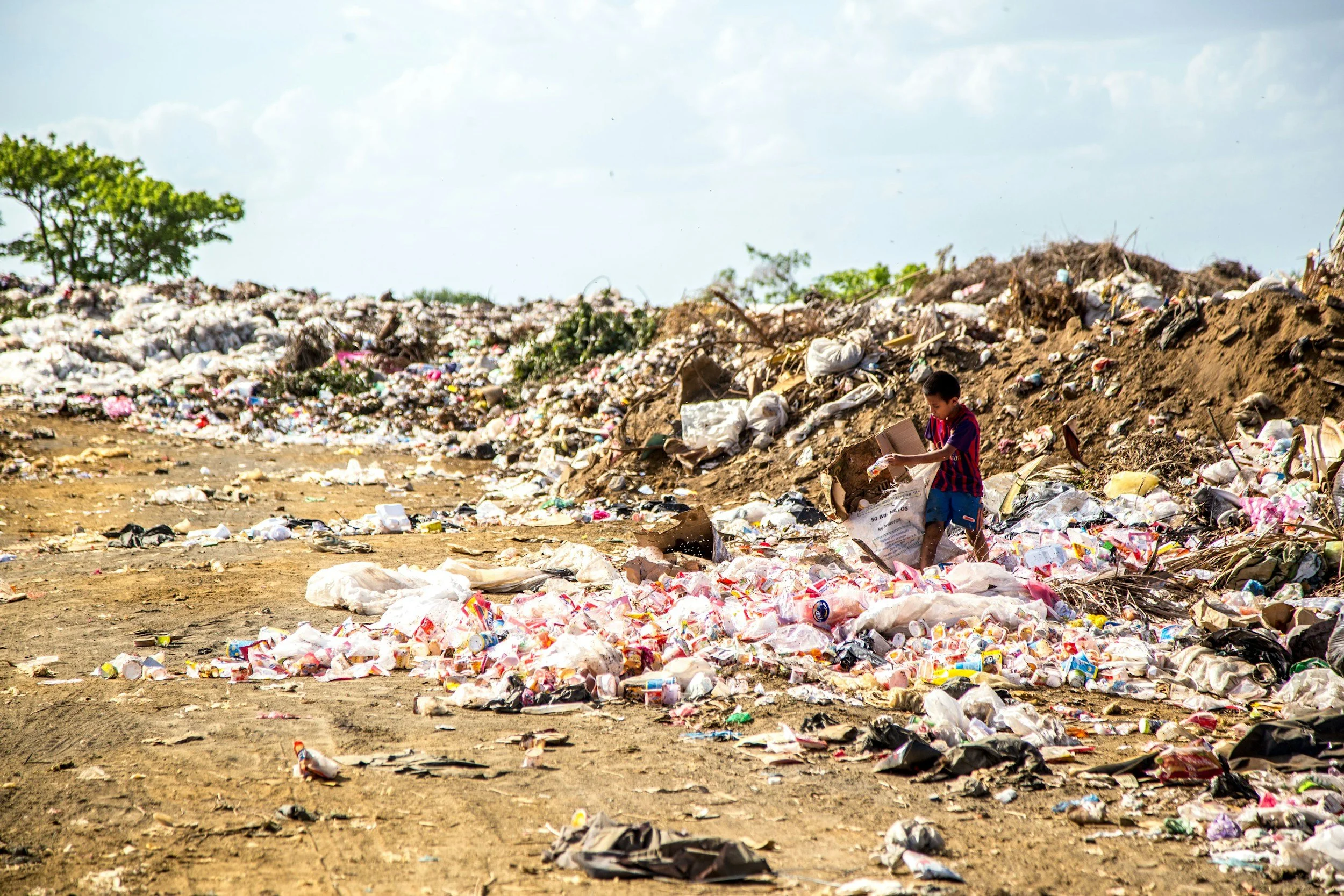
· Waste: Unsustainable garments fall apart within months, contributing to major textile waste, quickly ending up in landfills. Research from Boston University shows that around 66% of discarded textiles in the U.S. end up in landfills. Some fabrics break down quickly, but others take hundreds of years, releasing pollutants into the air and soil over time. Landfills are the 3rd highest source of problematic emissions in our country.
· Overproduction: The constant cycle of producing and discarding clothing increases pollution and resource depletion. Harmful chemicals and unsustainable production methods damage ecosystems.
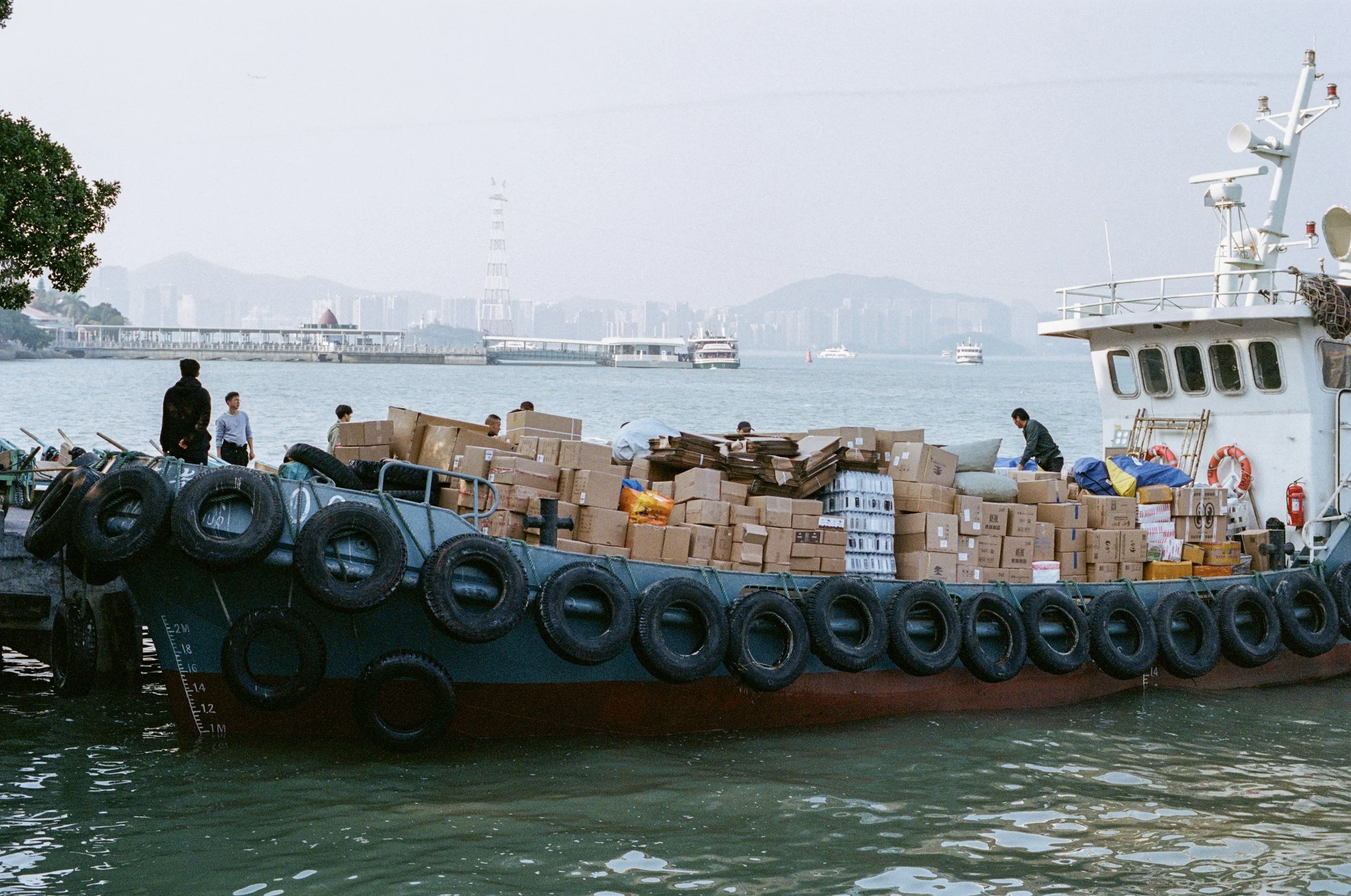
· Transportation emissions: According to the American Apparel and Footwear Association, over 97% of clothing sold in the U.S. is produced abroad. Clothing is transported via planes, cargo ships, trains and ultimately delivery trucks. Each step adds to pollution through emissions that harm the environment, speeding up global warming.
· Unethical: Some fast fashion brand factories have unsafe working conditions, and workers are often paid low wages.
What can you do?
With fast fashion heavily marketed—especially toward teens through social media and influencers—it’s important to make conscious choices:
Choose Sustainable Fashion
Buy from brands that use high-quality materials
Support companies that reduce environmental harm
Choose brands that pay fair wages
Shift Your Mindset
Instead of buying many trendy items:
Invest in fewer, high-quality basics
Choose pieces that last longer
Create Long-Term Change
Modern society normalizes excessive consumption of short-lived trends. Reducing clothing waste starts with changing how we think about fashion.
Young people, in particular, have the power to reshape habits and make sustainability the norm for future generations.
*We add to both these lists every time we find something new*
Sustainable Brands to Save:
Patagonia - Great for outerwear, warm fleeces
Pact - Good basics & undergarments
Reformation - Large variety of clothing options & accessories
Allbirds - Good quality shoes
Nudie Jeans - Comfortable jeans
PopLinen - Very comfortable sweat (shirts, pants)
THRIFTING/VINTAGE SHOPPING!!!
Fast Fashion Brands to Block:
Shein
Zara
Skims
H&M
Forever 21
Lululemon
Gap
Old Navy
Victoria's Secret
Anthropologie
Free People
American Eagle
Brandy Mellvile
Edikted
Garage
Mango
What I’ve done to help:
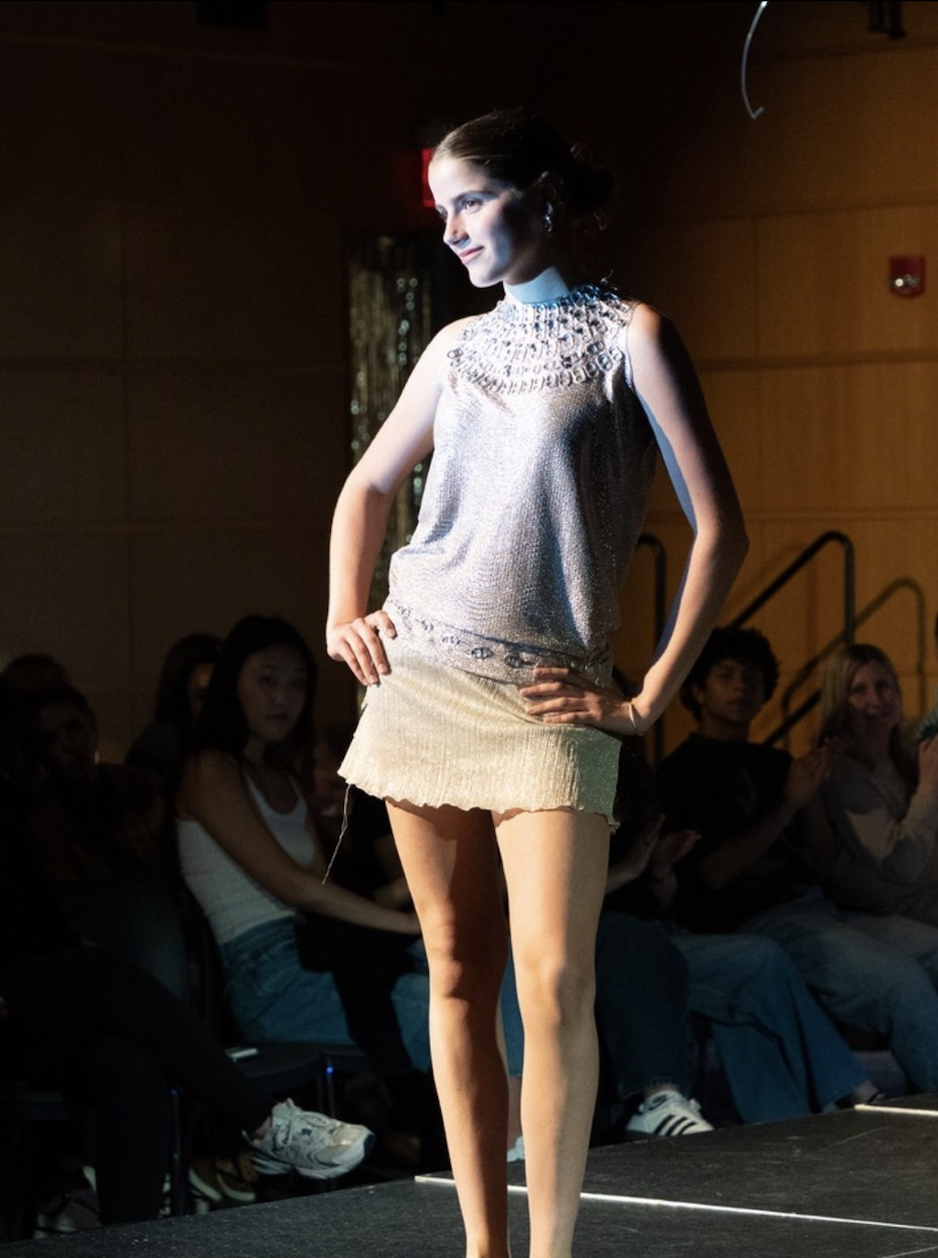
HOPE: Fashion with a Purpose
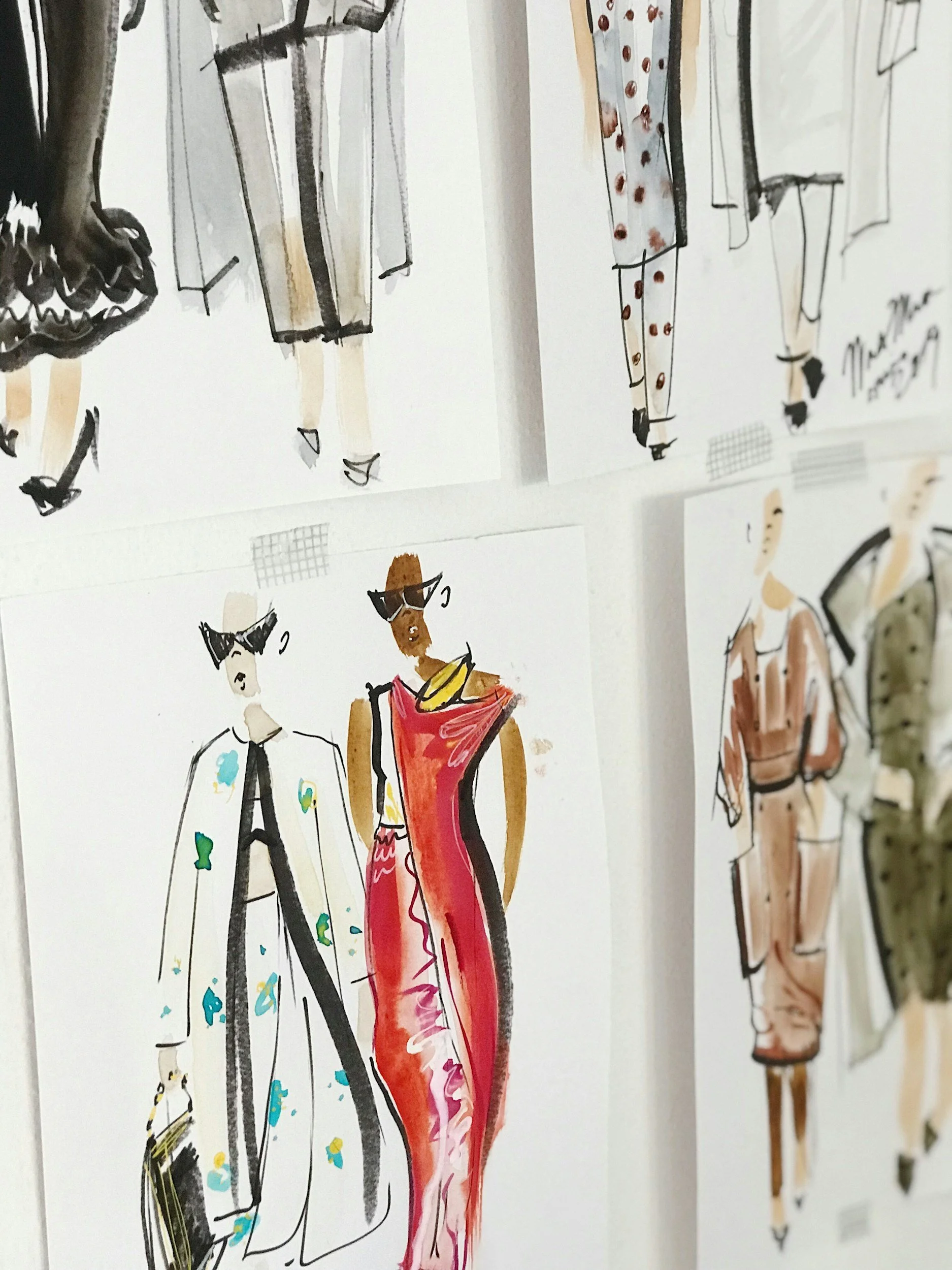
I am part of a club at my high school where we educate and encourage sustainable fashion. There is an annual fashion show where club members all design and bring an outfit to life. This year’s theme was “Futuristic Fashion.” My dress, Recycled Radiance, was made from thrifted pieces and recycled materials (bottle can tabs). Here I am modeling my dress.
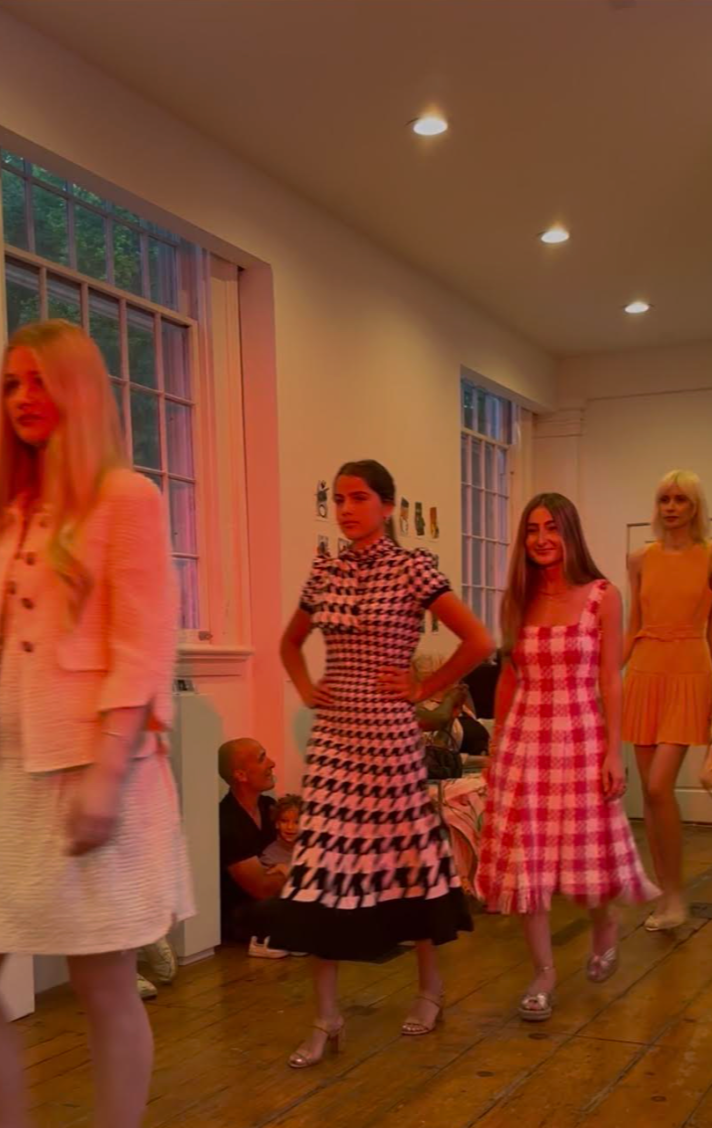
Promoting Second Hand Fashion
I modeled in a fashion show for a luxury consignment shop that I love: Erica Sabag in Closter, NJ (Instagram: @Erica_Sabag)
This show promoted high end designer pieces to encourage the concept of giving clothes a second life, instead of buying new and adding to waste.